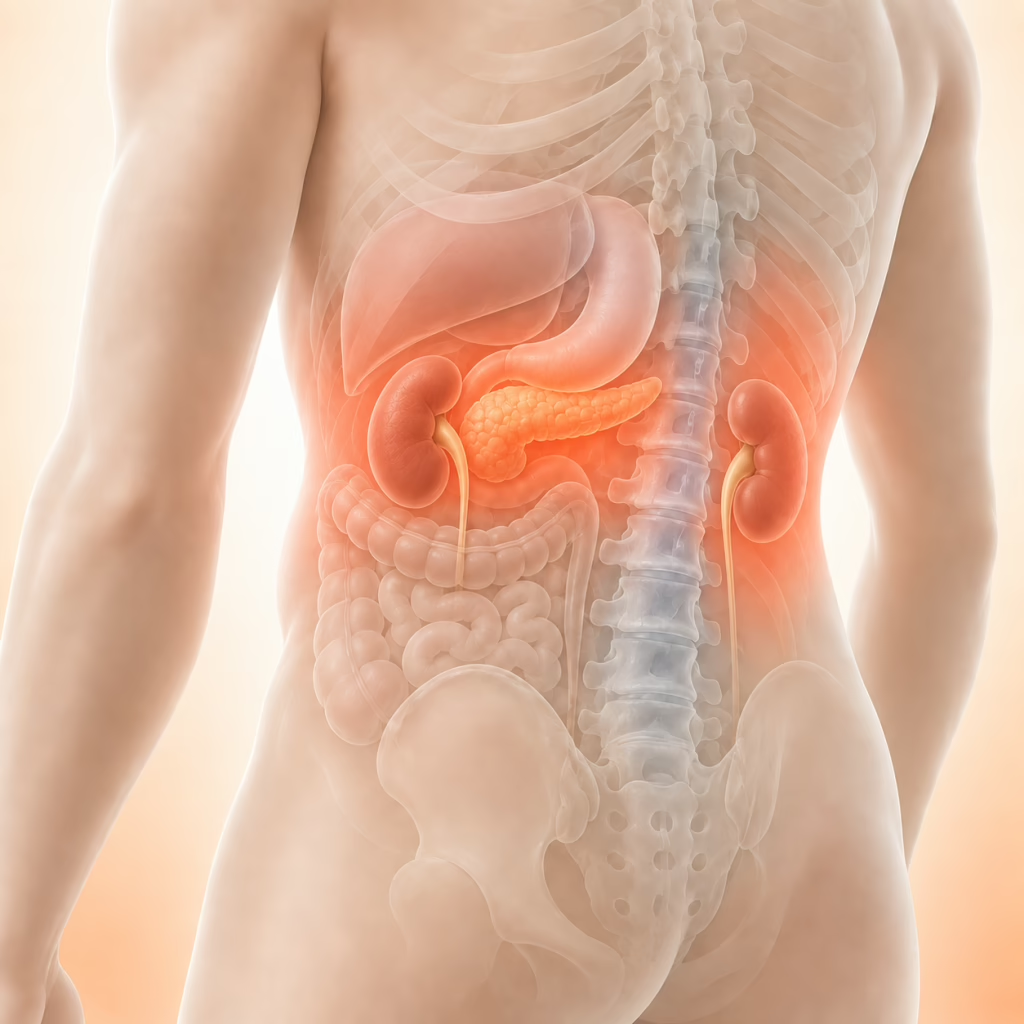
Abdominal pain that spreads to the back can happen for many reasons. Sometimes it is due to muscle strain or minor digestive problems. In other cases, it may signal issues with the pancreas, gallbladder, kidneys, or other organs.
Pay close attention to the pain: where it begins, how strong it is, if it started suddenly, and if you notice any other symptoms.
This article explains in simple terms why abdominal pain can spread to the back, what conditions might cause it, which symptoms are serious, and which doctor to see.
Important: This article is for informational purposes only and does not replace a doctor's consultation. In case of severe, sudden, or rapidly worsening pain, seek medical assistance immediately.
Why Can Abdominal Pain Radiate to the Back?
The abdominal organs are close to nerves and other structures linked to the back. Because of this, some illnesses can cause pain that is felt in more than one place.
Among the possible causes:
diseases of the pancreas;
gallbladder issues;
kidney stones;
diseases of the stomach and duodenum;
bowel diseases;
muscle strain;
certain conditions of the spine;
other diseases of the abdominal organs.
Where the pain is felt can give the doctor clues about the cause, but it is not enough to make a definite diagnosis.
Pain in the Upper Abdomen Radiating to the Back
One important cause of this type of pain is pancreatitis, which is inflammation of the pancreas.
With acute pancreatitis, pain usually starts in the upper abdomen and can spread to the back. It may come on slowly or suddenly and can be very strong.
Additionally, the following symptoms may appear:
nausea;
vomiting;
fever;
rapid heartbeat;
tenderness or abdominal bloating.
According to the National Institute of Diabetes and Digestive and Kidney Diseases NIDDK, if acute pancreatitis is suspected, a person must seek medical help.
The UK's NHS also notes that in acute pancreatitis, abdominal pain can spread to the back and worsen after eating, moving, or lying down.
Pain After Eating Radiating to the Back
If pain starts after eating, it may sometimes be caused by problems with the gallbladder or pancreas.
For example, gallbladder issues can cause pain in the upper abdomen that spreads to the back or shoulder area.
If the pain is constant, severe, and comes with nausea or vomiting after eating, see a doctor.
Don't try to diagnose the illness just by noticing which food caused the pain.
Pain on the Right Side of the Abdomen Radiating to the Back
Pain in the upper right side of the abdomen that spreads to the back may be linked to the gallbladder or bile ducts.
You should also consider possible problems with the right kidney.
In kidney issues, the following may appear:
pain in the side or back;
lower abdominal pain;
groin pain;
nausea;
blood in the urine;
painful or frequent urination.
For example, kidney stones often cause sharp pain that comes and goes. The pain can be felt in the back, side, lower abdomen, or groin.
Pain on the Left Side of the Abdomen Radiating to the Back
Pain on the left side of the abdomen can have many causes.
It may be related to:
the stomach;
the intestines;
the pancreas;
the left kidney;
muscles or the spine.
If the pain started after physical activity and worsens with movement or certain positions, it may be muscle strain.
However, if the pain is severe, constant, or comes with fever, vomiting, blood in the urine, or other worrying symptoms, you should see a doctor.
Abdominal and Back Pain Due to the Kidneys
Some kidney diseases can cause pain in the side, abdomen, and back at the same time.
Kidney stones often cause sharp pain that can move from the back or side to the lower abdomen and groin. You may also have nausea, vomiting, blood in the urine, or pain when urinating.
If fever and chills appear at the same time, especially alongside pain in the side or back, see a doctor as soon as possible.
Can Pain Come from the Spine or Muscles?
Yes. Sometimes the pain does not come from the abdominal organs.
After physical activity, a sudden movement, or sitting in an awkward position for a long time, you might get muscle pain in your back that can also be felt in your abdomen.
Muscle pain usually gets worse with certain movements, twists, or physical effort.
However, you cannot always tell on your own if the pain is from muscles, especially if you also have digestive or urinary symptoms.
Abdominal and Back Pain: Dangerous Causes
Most of the time, this pain isn't dangerous, but some conditions need urgent medical attention.
One rare but serious cause is an abdominal aortic aneurysm, which is when a section of the body's main artery becomes wider than normal.
It may not cause symptoms for a long time. As it gets bigger, you might feel deep, constant pain in your abdomen, side, or back. If it ruptures, sudden and very severe pain can happen, and the person's condition can get worse quickly.
This situation needs emergency medical help.
When Should You Seek Urgent Medical Help?
Do not wait at home if you have abdominal pain that spreads to your back and:
appeared suddenly and is very severe;
is rapidly worsening;
does not go away;
is accompanied by repeated vomiting;
is accompanied by a high fever or chills;
appeared along with difficulty breathing;
is accompanied by dizziness or fainting;
is accompanied by blood in the urine;
is accompanied by blood in vomit or stool;
occurred after a serious injury;
is accompanied by severe weakness or a sharp deterioration in well-being.
We also recommend seeking emergency care for severe abdominal pain, especially if accompanied by shortness of breath, dizziness, blood in vomit or stool, high fever, or persistent vomiting.
Which Doctor Should You See?
If the pain is not severe and you don't need urgent care, start with a general practitioner or family doctor.
After checking you, the doctor can refer you to the right specialist if needed.
Depending on symptoms, you may need:
gastroenterologist — if diseases of the stomach, intestines, liver, gallbladder, or pancreas are suspected;
urologist — if there are signs of kidney or urinary tract disease;
neurologist — if a problem with nerves or the spine is suspected;
surgeon — if an acute condition of the abdominal organs needs to be ruled out.
If the pain started suddenly and is very severe, do not wait for an appointment. Go straight to an emergency department or urgent care center.
What Examinations Might the Doctor Order?
The doctor will start by asking about your symptoms and doing an examination.
Depending on the situation, the following may be needed:
complete blood count;
blood biochemical test;
urinalysis;
abdominal ultrasound;
computed tomography (CT scan);
other diagnostic tests.
For example, if pancreatitis is suspected, the doctor uses examination findings, lab tests, and imaging techniques to confirm the diagnosis and determine the cause.
When kidney stones are suspected, the doctor also uses symptom history, physical examination, and diagnostic tests.
Not everyone needs all of these tests. The doctor will choose the right ones for your situation.
What to Tell the Doctor?
Before your visit, it helps to remember or write down:
where exactly the pain starts;
where it radiates;
when it appeared;
whether it started suddenly or gradually;
whether it is constant or comes in attacks;
whether the pain is related to food;
whether it worsens with movement;
whether there is a fever;
whether nausea or vomiting appeared;
whether urination has changed;
whether there is blood in the urine or stool.
The more details you give your doctor about your symptoms, the easier it will be to choose the right tests.
Where to Find a Doctor in Tbilisi?
In Tbilisi, you can see a family doctor, general practitioner, or gastroenterologist at a multidisciplinary clinic.
If the pain is not an emergency, check the following before making an appointment:
whether the required specialist is available;
whether necessary tests can be performed at the same clinic;
what language the consultation is conducted in;
whether an advance appointment is required.
If the pain is sudden, severe, or you are getting worse quickly, it is best to go straight to an emergency department.
Living in Georgia or planning to move here?
We write about doctors, treatment prices and health insurance in Georgia — in plain language.