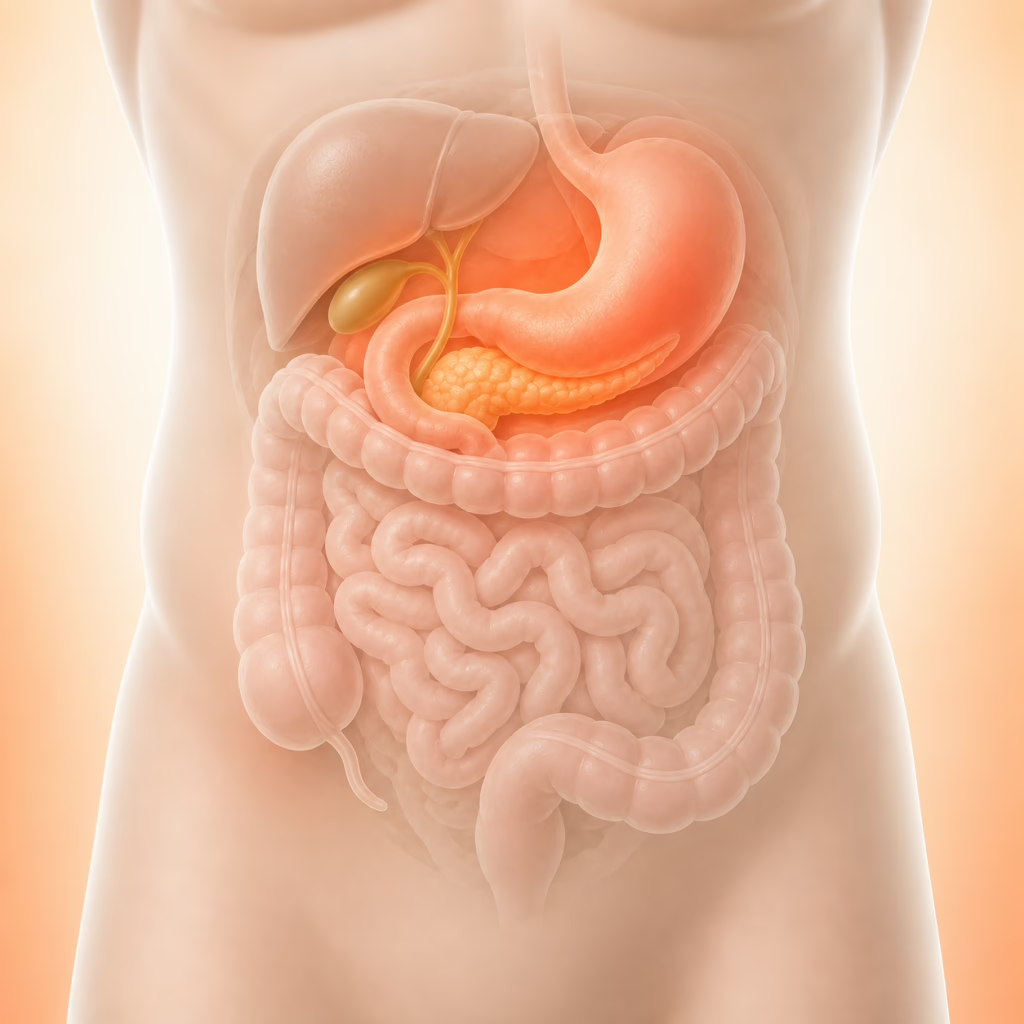
Many people experience abdominal pain after eating. This can happen if you eat too much, choose fatty foods, or simply overeat. However, if the pain happens often, gets worse, or comes with other symptoms, it could be a sign of a digestive problem.
This article will explain in simple terms why your stomach might hurt after eating, which symptoms you should pay attention to, which doctor to see, and what tests a specialist might recommend.
Important: You can't determine the cause of pain by looking at just one symptom. If your pain is severe, starts suddenly, or comes with a sudden drop in how you feel, you should get medical help right away.
Why Does the Abdomen Hurt After Eating?
There are many possible reasons for this pain. Sometimes it is caused by what or how much you eat. Other times, it may be due to problems with your digestive organs.
The most common causes:
overeating;
food that is too fatty or spicy;
bloating and increased gas formation;
constipation;
food intolerance;
gastritis;
peptic ulcer disease;
gallbladder diseases;
pancreatic diseases;
other disorders of the gastrointestinal tract.
To figure out the cause, notice not just the pain, but also where it is, what it feels like, and when it starts.
Why Can the Abdomen Hurt Immediately After Eating?
If discomfort occurs almost immediately after eating, this may be a reaction of the gastrointestinal tract to the volume or composition of the food.
For example, pain or heaviness can occur after:
a very large portion;
a large amount of fatty food;
foods that cause gas formation;
eating too quickly.
If this only happens once in a while and goes away quickly, it is probably nothing serious. But if you have pain after most meals, you should see a doctor.
Why Does the Abdomen Hurt a Few Hours After Eating?
When the pain starts can also be important. If you often feel discomfort some time after eating, a doctor might look for problems with your stomach, intestines, gallbladder, or other digestive organs. There is no simple rule to tell what the problem is just by timing, so you need a medical check-up for a clear answer.
Pain After Eating and Abdominal Bloating
If you have pain, rumbling, and bloating after eating, it might be due to extra gas or how your gut reacts to certain foods. Sometimes, these signs are linked to food intolerance. Try keeping track of which foods cause problems, as this can help your doctor spot patterns. But do not cut out lots of foods on your own unless you need to.
Pain After Eating and Heartburn
If you feel burning behind your chest or get a sour taste in your mouth after eating, it could be because stomach acid is coming back up into your esophagus. If heartburn happens often or makes daily life difficult, talk to your doctor.nd
Stomach pain after eating and nausea
Nausea with abdominal pain can happen for many reasons, from a temporary digestive upset to diseases of the stomach, gallbladder, or other organs. If nausea recurs regularly, especially after eating, consider consulting a specialist. If vomiting recurs, pain is severe, or your well-being sharply deteriorates, quick medical attention is needed.
When Does Pain After Eating Require Urgent Help?
Most of the time, stomach pain is not an emergency. But some symptoms mean you should get medical help quickly.
Seek urgent help if:
the pain is very severe or sudden;
the pain intensifies rapidly;
the abdomen becomes very tender or rigid;
repeated vomiting occurs;
blood appears in vomit or stool;
stool becomes black and unusual;
a high fever appears along with severe pain;
severe weakness, dizziness, or fainting occurs;
difficulty breathing or severe chest pain appears.
Do not wait for these symptoms to go away on their own.
Which Doctor Should You See If Your Abdomen Hurts After Eating?
If your pain keeps coming back but is not an emergency, start by seeing a general practitioner or family doctor. They will check you, ask about your symptoms, and send you to the right specialist if needed.
Most often, you may need:
a gastroenterologist — deals with diseases of the stomach, intestines, liver, gallbladder, and other digestive organs;
a surgeon — if a condition is suspected that may require surgical treatment;
a nutritionist or dietitian — in some cases, if it is necessary to adjust the diet or address a suspected food intolerance.
If your pain is severe or started suddenly, do not wait for a regular appointment with a gastroenterologist. Instead, go straight to an emergency room or urgent care center.
What Examinations Might the Doctor Prescribe?
After examining you, the doctor will decide which tests you really need.
Depending on the symptoms, the following may be used:
complete blood count;
blood biochemical test;
urinalysis;
abdominal ultrasound;
gastroscopy;
other laboratory or instrumental investigations.
Not everyone needs all these tests. The doctor will choose them based on your age, symptoms, medical history, and what they find during the exam.
What to Tell the Doctor During the Appointment?
Before you see the doctor, try to notice a few details about your pain.
Try to remember:
where exactly it hurts;
when the pain starts — immediately after eating or a few hours later;
how long it lasts;
how severe it is;
after which foods it occurs;
whether the pain appears after fatty or spicy food;
whether there is heartburn, nausea, or vomiting;
whether stool habits have changed;
whether bloating appears;
whether temperature increases.
You can write this information on your phone or keep a small diary of your food and symptoms.
Where to Find a Doctor in Tbilisi?
In Tbilisi, you can visit a family doctor or a gastroenterologist at a clinic that offers different types of medical care.
If symptoms are not urgent, it is better to clarify in advance:
whether the clinic has a practicing gastroenterologist;
whether it is possible to book an appointment in Russian or English;
which examinations are available on-site;
whether booking is required.
If you have severe or sudden pain, go to an emergency department instead of waiting for a regular appointment. Before you visit a clinic, check its address, hours, and whether the specialist you need is available.
Can You Take Pain Medication on Your Own?
Do not take painkillers or other medicines regularly to treat the problem. Medicine might help for a short time, but it will not solve the cause of your pain. If you keep having pain after eating, talk to a doctor to find out why. Also, do not start antibiotics or other prescription drugs on your own without a doctor's advice.
What to Do If Your Abdomen Hurts After Every Meal?
If you have pain after almost every meal, do not think this is normal. Write down when the pain happens, what you ate, and any other symptoms. Then see a general practitioner or family doctor. They can check your situation and, if needed, send you to a gastroenterologist and order tests.
Living in Georgia or planning to move here?
We write about doctors, treatment prices and health insurance in Georgia — in plain language.