
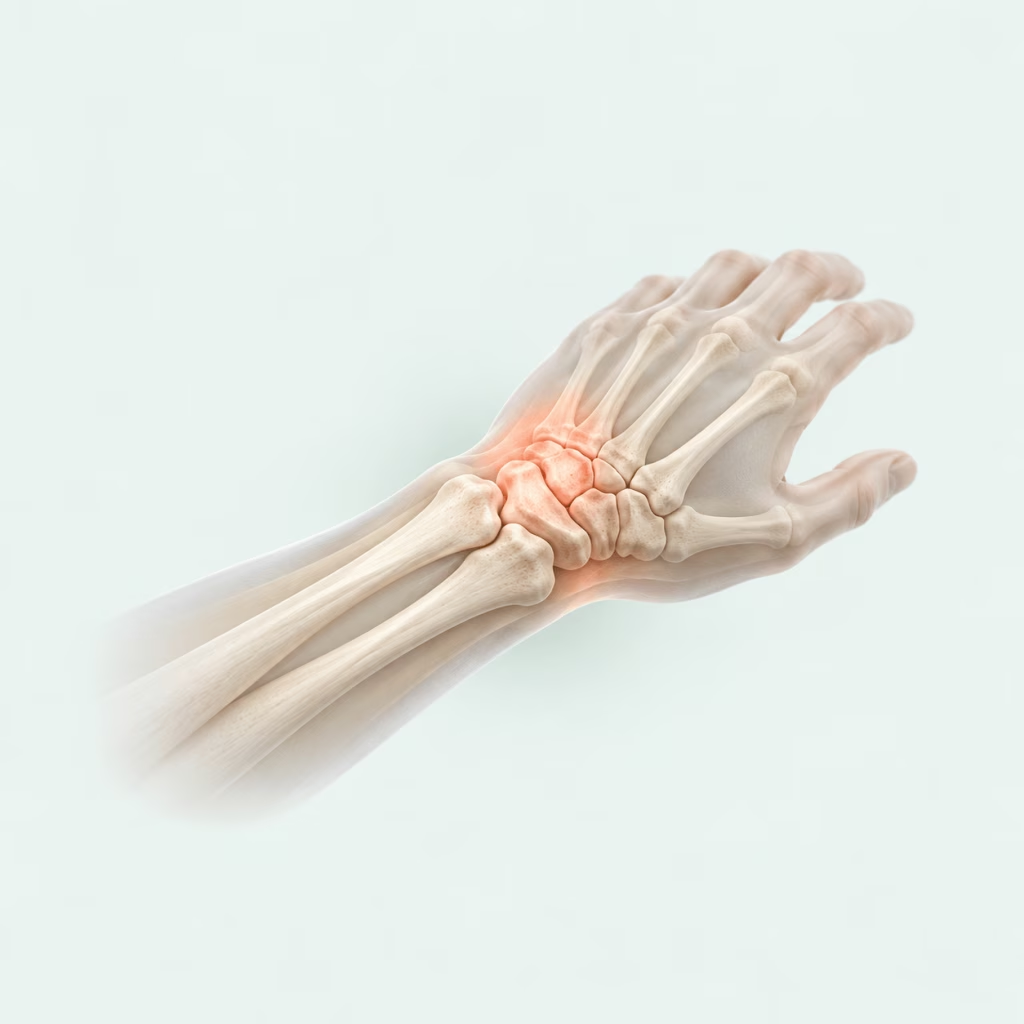
After a fall, a blow, or an awkward movement, you may be left with pain, swelling, and bruising. It may seem like just a bruise when the bone is actually damaged. In other cases, even severe pain comes only from a soft-tissue bruise.
Parents and other adults may not at first appreciate the seriousness of an injury, particularly when all appears normal on the outside. How can you tell a fracture from a bruise? What should you do right after an injury, and when do you need to see a doctor?
Important: This article is for informational purposes only and does not replace a consultation with a healthcare professional. If you feel that something is wrong, you do not have to wait until things get much worse before seeking help. If you experience severe pain, significant swelling, numbness, or a change in the shape of a limb after an injury, seek medical attention without delay. You can't always tell a fracture from a bruise on your own.
What is a bruise and what is a fracture?
A bruise is an injury to the soft tissues as a result of a blow or a fall. The skin itself is generally not broken. Pain, swelling, and bruising are common.
A fracture is a break or crack in a bone. It can be complete or partial. It may occur with no visible deformity of the limb at all. A closed fracture is one where the skin is intact. An open fracture is one where the skin is broken, and the bone may be visible.
The symptoms of a bruise and a fracture are often similar. Don't rely on a bruise or how bad the pain is to tell them apart.
How to tell if it might be a fracture
After an injury, pay attention to the following signs:
Severe pain in the injured area;
Significant swelling;
A bruise that continues to grow;
Difficulty moving an arm or leg;
Inability to put weight on the injured leg;
An unusual shape of the limb;
Noticeable bending or shortening of an arm or leg;
Numbness or unusual sensations in the fingers or toes;
An open wound at the site of injury.
With a fracture, pain is often made worse by movement or by attempting to put any weight on the limb. Don't deliberately test this as any unnecessary movement could make the injury worse. The absence of a deformity in no way rules out a fracture. Some fractures cause only moderate pain and slight swelling.
Common signs of a bruise
A soft-tissue bruise usually causes:
Pain at the site of the impact;
Swelling;
Bruising;
Tenderness when touched;
Gradual improvement over time.
With a mild bruise, the pain usually eases over time, and the injured body part gradually becomes easier to move.
A severe bruise can also cause strong pain and noticeable swelling. A bruise and a fracture can occur simultaneously. So even an ordinary-looking bruise doesn't guarantee that the bone is intact.
Main differences between a fracture and a bruise
Sign | Bruise | Fracture |
Pain | Usually gradually decreases | May be severe or persistent |
Swelling | May occur | Often present |
Bruising | Common | May also occur |
Movement | Usually becomes easier over time | May be difficult |
Shape of the limb | Usually unchanged | Sometimes visibly deformed |
Putting weight on the leg | May be painful | May be impossible |
Diagnosis | Assessed during an examination | An X-ray may be needed |
These signs aren't enough to diagnose an injury on your own. If you're still experiencing pain, swelling, or limited movement after an injury, then you should see a doctor.
What to do right after an injury
If you think there might be a fracture or you're not sure how serious the injury is, be careful.
1. Stop the activity
Don't let the injured person continue exercising, walk through the pain, or test how well the injured limb is moving.
2. Keep the injured area still
Keep the injured arm or leg in the position you found it in. You can gently tuck soft clothing or a pillow around it for support, but don't change the limb's position.
Don't try to straighten the injured arm or leg; don't push the bone back in; don't realign the joint yourself.
3. Apply a cold compress
If the skin is not broken, then apply a cold compress or an ice pack (wrapped in a towel) to help with the pain and swelling. Don't place the ice on the skin directly and don't press down on the area.
4. Get medical help
If you suspect a fracture, get medical attention as soon as possible. Don't wait a few days to see if the pain goes away.
If the head, neck, back, pelvis, or thigh may be injured, don't move the person unless absolutely necessary, and call an ambulance.
When should you see a doctor?
You should seek medical attention if:
The pain is severe or does not decrease;
The swelling is getting worse;
Significant bruising develops;
It is difficult to move the injured body part;
You cannot put weight on the injured leg;
The pain persists or becomes worse after some time;
You suspect a fracture of a finger, hand, foot, or another bone;
A child has been injured;
Numbness or tingling follows the injury.
If the symptoms persist or your condition gets any worse, then do not attempt to treat the injury yourself. A doctor will examine the area and may order an X-ray or some other form of investigation if required.
When should you call 112?
Some injuries need emergency care right away.
Call 112 if:
Bone is visible through an open wound;
There is severe bleeding;
A limb is visibly deformed after a serious injury;
The fingers or injured limb become cold, pale, or bluish;
There is a loss of sensation or significant numbness;
The injury resulted from a serious car accident or a fall from a height;
There is a suspected injury to the neck, spine, pelvis, or thigh;
The person loses consciousness, has difficulty breathing, or their condition suddenly deteriorates.
Keep the injured person still until medical help gets there. Don't attempt to reposition the bone. Don't move anyone if you suspect a spinal injury unless they are in immediate danger.
Why you can't rule out a fracture yourself
Sometimes a person will be able to move their arm, move their fingers, or even put weight on the injured leg. That doesn't mean the bone isn't broken. Some fractures are very small and cause no visible deformity. Certain fractures in children are especially hard to spot because their bones are still growing.
If pain doesn't go away after a fall or blow, swelling appears, or movement becomes difficult, see a doctor even if the injury seemed minor at first.
Where to find a trauma specialist
If you think you broke a bone in a fall or from a blow, see a trauma specialist (a traumatologist) or go to the nearest hospital. The doctor will examine the injury and will take an X-ray if they think it's necessary.
You can find a trauma specialist in Tbilisi on clinic websites and doctor booking services. Use search to find a specialist, view their profile, and check their availability for appointments.
If the limb is badly deformed, there's significant bleeding, the area is numb or is changing color, or other serious symptoms are present, then don't wait for a regular appointment. Call 112.
FAQ
Can you move an arm or a leg if it is broken?
Does a bruise mean there's no fracture?
Can a fracture occur without severe pain?
How do you know if a bruise is healing?
Can you apply heat to a bruise?
What should you do if a child falls and complains of arm or leg pain?
Living in Georgia or planning to move here?
We write about doctors, treatment prices and health insurance in Georgia — in plain language.