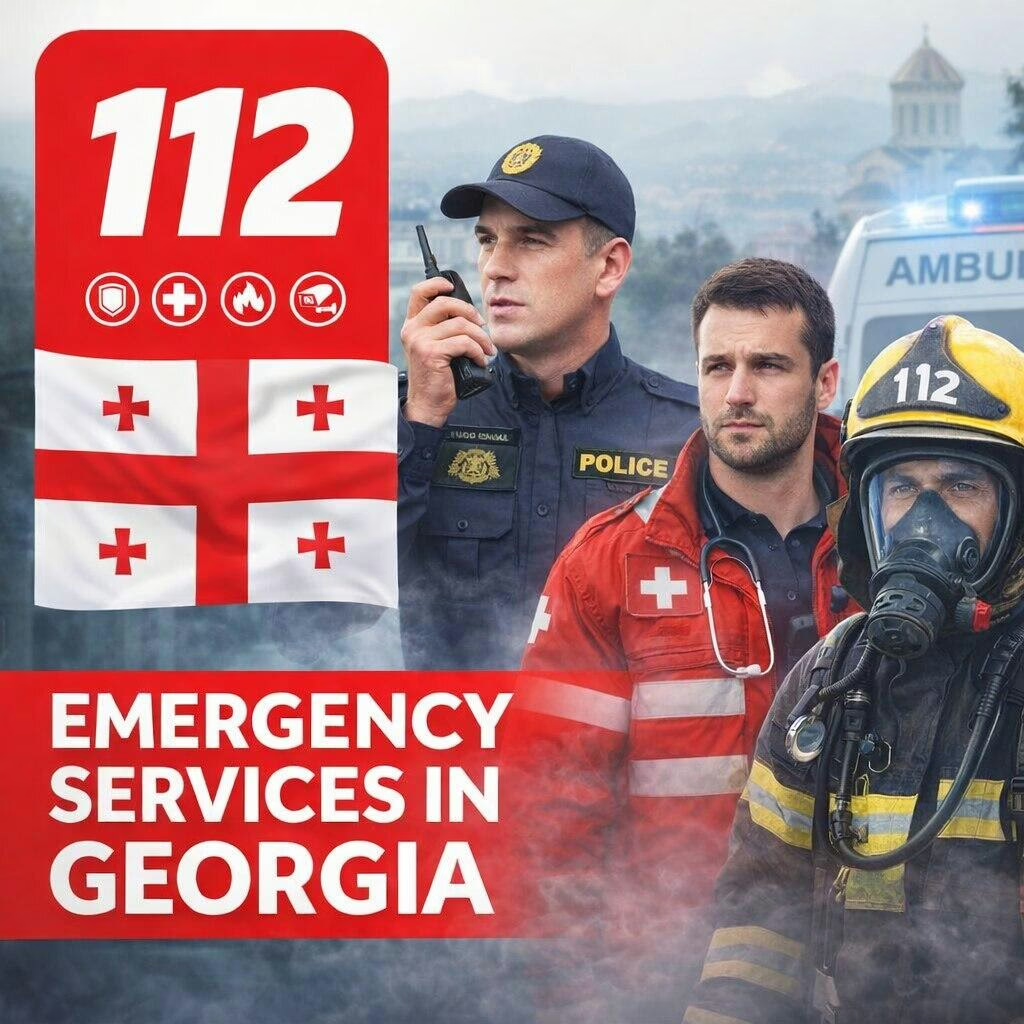
The unified emergency number in Georgia is 112. This emergency service is accessible to everyone in the country—Georgian citizens, tourists, foreigners, expats, and temporary residents. Using 112 is crucial in any emergency to get immediate help from ambulance, police, or fire and rescue services.
The 112 emergency hotline in Georgia connects several emergency services through one number:
Police
Fire / Rescue Services
Emergency Medical Assistance (Ambulance)
If a situation threatens your health, life, or safety—or the safety of others—it is vital to react quickly and call 112 immediately. In emergencies, one call connects you to all critical services.
When Should You Call 112 in Georgia?
You should call 112 in Georgia during emergency situations that require urgent medical care, police intervention, or fire rescue services.
Examples include:
Serious injuries or car accidents
Sudden health deterioration
Loss of consciousness
Difficulty breathing
Severe pain
Heavy bleeding
Emergencies involving children or elderly people
Fire
Gas leaks
Dangerous public situations
Criminal incidents requiring police intervention
If you are unsure whether the situation is serious, but there is any real danger to health, life, or safety, it is always better to call 112. When in doubt, prioritize safety and let professionals assess the urgency.
When You Should NOT Call 112
The 112 emergency hotline is not an information center and should not be used for everyday requests.
Do not call 112 for:
Weather forecasts
Exchange rate information
Hotel bookings
Taxi requests
Ticket reservations
Public transportation schedules
Utility service questions
Medication information
Traffic fines or driver’s license questions
Important: All calls to 112 in Georgia are recorded. False or prank calls are punishable by law and may result in fines or prosecution. Use 112 only for genuine emergencies.
How to Properly Call 112 in Georgia
You can call 112 from any mobile phone or landline in Georgia.
Be prepared to provide:
What happened
Which emergency service you need
Where the incident happened
How many people are injured
Your full name
Providing accurate and complete information significantly speeds up the response and helps emergency teams assist you as quickly as possible.
Language Support for Foreigners Calling 112 in Georgia
If you experience language barriers while calling 112 in Georgia, try speaking in English or Russian—these are the most widely supported foreign languages by emergency operators. In some cases, operators may transfer your call to a colleague who speaks your language better. Rarely, support in other languages may be available.
In some situations, your call may be transferred to another operator who can communicate more effectively in your language. In rare cases, assistance may be available in other languages.
How to Contact Your Insurance Company in Georgia
If you have travel or health insurance in Georgia, it is recommended to contact your insurance company or assistance service (sometimes called 'assistance provider') after you have called 112 and received urgent help.
Many insurance providers offer:
Emergency contact phone numbers
Mobile apps
Online support systems
If the situation is life-threatening, always call 112 first.
Prepare the following information for your insurance company:
Insurance policy number
Personal details
Brief description of the incident
Your current location
Non-Emergency Medical Help in Georgia
If you are a foreigner and lose your passport or need other types of help, you can call 112—operators will redirect you to the relevant government agency. If you are a Georgian citizen and lose your ID, it is recommended to contact the Public Service Hall (Justicie’s House) for document recovery procedures.
If you are a Georgian citizen and lose your identification documents, contact Public Service Hall for document recovery procedures.
For minor health issues, visit:
Medical clinics in Georgia
Hospitals
Pharmacies
Family doctors
What Happens After You Call 112 in Georgia?
Once you call 112, emergency operators will collect important details and immediately dispatch the appropriate service.
This may include:
Ambulance services
Police
Fire and rescue teams
In some cases, responders may call you back for additional information.
If your case is not considered an emergency, operators may redirect you to another service or provide instructions.
Helpful Tips for Tourists, Foreigners, and Expats in Georgia
Always carry a copy of your insurance policy
Save your insurance provider’s contact information
Check your insurance coverage in advance
Keep your hotel address, home address, and contact details in a place that’s easy to find, such as your wallet, phone, or travel documents. This can speed up emergency response if you need help.
During emergencies in Georgia, your health and safety should always come first.
If the situation is critical, call 112 immediately.
Non-Emergency Medical Care in Georgia: Clinics, Doctors, and Medical Advice
If your condition does not require urgent medical care, you can visit a medical clinic or healthcare center in Georgia.
Doctors may:
Perform an initial examination
Refer you to a specialist
Order medical tests
Provide treatment recommendations
This is helpful for:
Fever
Mild infections
Minor injuries
Allergic reactions
Chronic illness flare-ups
If you are unsure whether you need emergency care in Georgia, contact a clinic or your insurance company first.
What If You Don’t Have Your Insurance Documents During an Emergency?
During a medical emergency in Georgia, your health and safety come first. You do not need to have your insurance documents or policy number with you at the time of treatment—getting help is always the top priority. In most cases, providing your insurer’s name is enough initially. Insurance details can be submitted after you receive care.
If you remember your insurance company name, that may be enough initially.
After receiving treatment, you can:
Provide insurance details later
Contact your insurance agent
Request reimbursement
Ask the hospital for assistance contacting your insurer
Insurance and billing can usually be resolved after treatment is completed. Hospitals can help you contact your insurer or provide the necessary paperwork for reimbursement later.
How to Know Emergency Help Is on the Way
After calling 112, the operator may stay on the line until all required information is collected.
They may ask:
Your exact location
What happened
Number of injured people
The patient’s condition
You may receive updates such as:
Ambulance dispatched
Help is on the way
Emergency team arriving soon
Operators may also provide instructions while you wait.
Always follow their guidance carefully.
FAQ
What is the emergency number in Georgia?
Can tourists and foreigners call 112 in Georgia?
Does 112 in Georgia support English?
What information should I provide when calling 112?
* what happened
* your exact location
* how many people are injured
* the patient’s condition
* your name and phone number
What should I do if my medical problem is not an emergency?
Living in Georgia or planning to move here?
We write about doctors, treatment prices and health insurance in Georgia — in plain language.