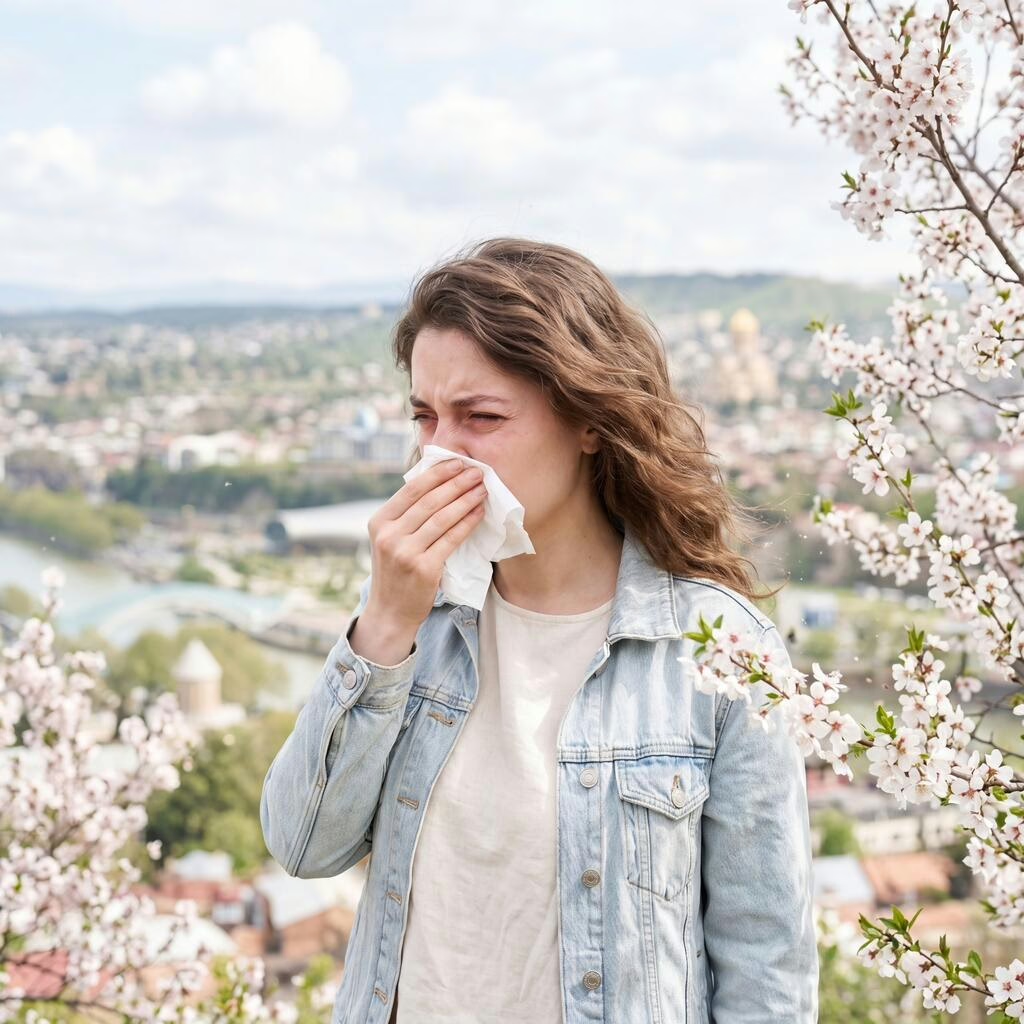
Moving to Tbilisi brings pleasant surprises: warm climate, beautiful streets, and city walks. Over time, some people develop symptoms like a persistent runny nose, itchy eyes, and sneezing.
Usually, you don't have a cold. You have allergies, which are more common in Tbilisi than most newcomers expect.
When does allergy season start in Tbilisi?
In Tbilisi, allergies are not just a short-term phenomenon but almost a constant. Symptoms can appear as early as February and last until autumn.
Throughout the year, plants "take turns":
February–March — trees begin to bloom
April–May — pollen peaks (especially from plane trees)
June–July — grasses are active
August–September — ragweed (the most severe period)
This constant exposure leaves allergies feeling permanent.
Allergy calendar: Tbilisi
Why do allergies feel stronger in Tbilisi?
Pollen isn't the only reason. Tbilisi has more triggers that make symptoms worse: air pollution.
urban dust
dry climate
Even mild allergies can cause a runny nose, eye irritation, and fatigue.
Which allergens are especially important in Tbilisi?
In spring, plane trees take center stage. These trees are widespread in the city and, during bloom, release large amounts of pollen and fine fluff.
Therefore, in April and May, many people notice their condition worsening: runny noses increase, itchy eyes appear, and it's harder to be outside.
In late summer, ragweed is the biggest threat. It is one of the strongest allergens.
It can cause:
severe sneezing
nasal congestion
eye irritation
general weakness
During this period, symptoms often worsen and need treatment.
How to tell if it’s allergies and not a cold
Many people first think they have a cold. But these signs show it's really allergies: no fever.
Symptoms last for weeks.
worse outdoors
itchy eyes
If you experience these symptoms, it’s likely allergies.s.
Why do allergies appear after moving?
According to MSD Manuals, allergies can develop after moving to Georgia because your body is exposed to new things in the air it wasn't used to. Your immune system finds new plants and pollen and starts to react.
Usually, the following factors play a role:
new plant species
different climate
changes in humidity and dust levels
Sometimes symptoms appear months after moving.
How does an allergy manifest in children?
In children, allergies often show up less clearly than in adults. Parents might think their child just gets sick often. If symptoms return every year or last longer than a typical cold, it is best to see a children's doctor or an allergy doctor. Both types are available in Tbilisi, and many clinics accept children of all ages. You can find a doctor on clinic websites, through medical services, or by asking other parents. This helps find out what is wrong and start treatment sooner.
Pay attention to the following signs:
prolonged runny nose without fever
cough, especially at night
poor sleep
irritability
If symptoms recur at the same time each year, it's likely allergies.
How to survive allergy season
It's impossible to completely avoid contact with pollen, but its impact can be reduced:
Keep windows closed during peak season.
Wash your face and hair after being outside.
avoid walking in the morning
Use an air purifier
These simple steps help with symptoms and can make the season easier. You can also use allergy medicines you buy without a prescription at the pharmacy, which help with itching, sneezing, and a runny nose. The most common allergy medicines are Cetirizine (Zyrtec), Loratadine (Claritin), and Fexofenadine (Allegra). These are usually easy on most people and rarely cause sleepiness, but you should check with a pharmacist and read the instructions before buying. If symptoms don’t go away, see a doctor.
When to see a doctor
Do not postpone a doctor's visit if symptoms interfere with normal life:
runny nose and cough lasting more than 1–2 weeks
The condition worsens with each season.
Standard medications are ineffective.
In Tbilisi, you can get tested, identify the allergen, and find appropriate treatment.
Where to find an allergist in Tbilisi
If you suspect allergies, don't delay seeking help. On the website, you can:
Key points
Allergies in Tbilisi are common, especially among newcomers. If you understand the causes, monitor your symptoms, and seek medical advice in time, you can keep allergies under control and get through the season calmly.
FAQ
When does allergy season start in Tbilisi?
Why are allergies stronger in Tbilisi?
What causes allergies in Tbilisi?
How can I tell if it’s an allergy or a cold?
Why did I develop allergies after moving to Tbilisi?
What helps reduce allergy symptoms?
When should I see an allergist?
Living in Georgia or planning to move here?
We write about doctors, treatment prices and health insurance in Georgia — in plain language.