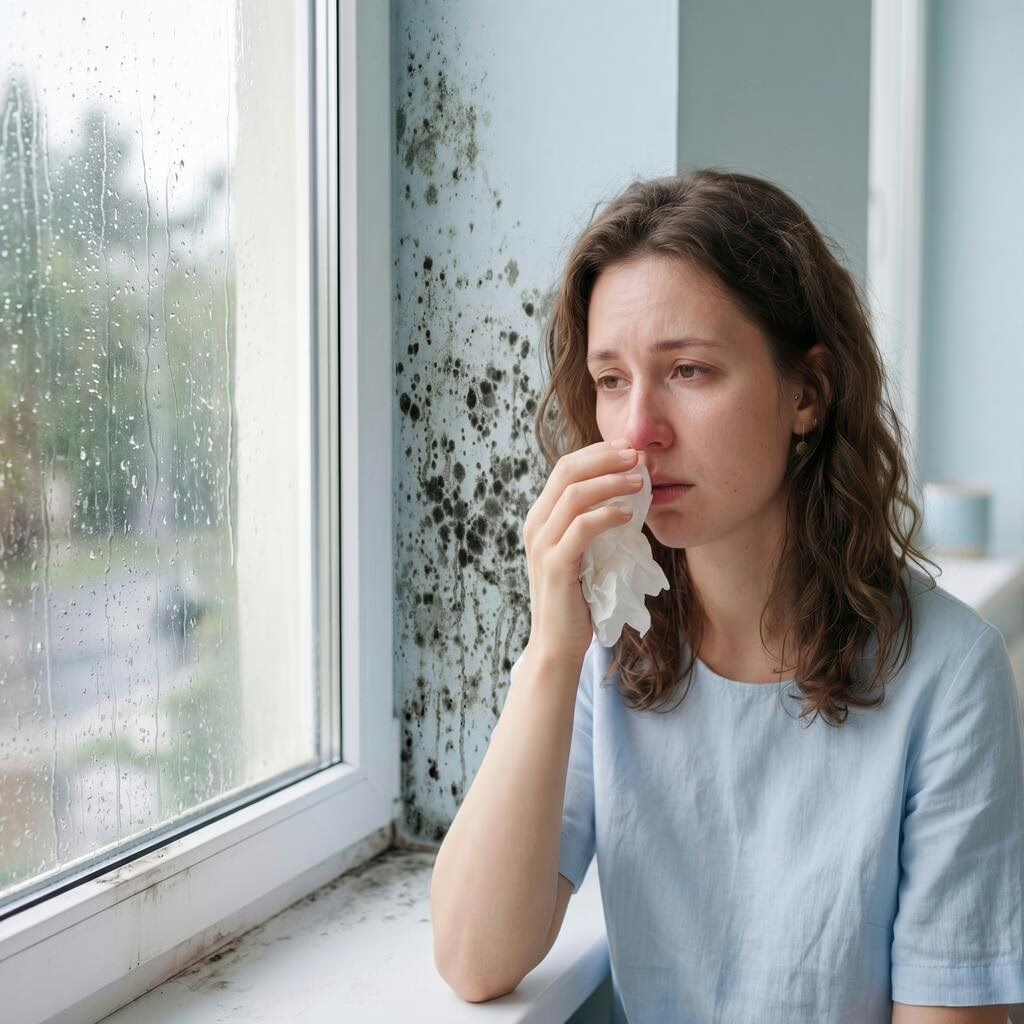
Many people choose to move to Batumi for its year-round sea, mild weather, and green scenery. However, after some time, you may notice ongoing symptoms such as a runny nose, cough, or stuffy nose.
It is important to understand that these symptoms are not always indicators of a cold.
In Batumi, allergies are common and are usually caused by high humidity and mold rather than pollen, which is a more common trigger in many other cities.
Why Allergy Often Occurs in Batumi
Batumi's climate is characterized by high humidity.
This kind of weather makes it easy for mold and fungi to grow.
Unlike Tbilisi, where pollen is the main cause, in Batumi, these factors are more common:
mold indoors
fungal spores in the air
damp walls and furniture
air conditioners and ventilation
Therefore, allergies in Batumi can occur year-round, not just in certain seasons.
The Main Reason Is Mold
You may not realize how important this factor is.
Mold can be found:
on the walls
in the bathroom
inside air conditioners
in poorly ventilated rooms
Even when you can't see mold, its spores remain in the air and can trigger ongoing reactions.
As a result, symptoms can persist even if you are indoors.
What Symptoms Are Most Common
Allergies in Batumi often seem like a cold that just won't go away. The common symptoms are:
persistent runny nose
nasal congestion
cough, especially at night
feeling of heaviness in the chest
fatigue
Unlike seasonal allergies, these symptoms can last for months.
Why Does an Allergy Appear After Moving
Many people say, "I never experienced allergies before moving to Batumi."
This happens because your body needs to adjust to a new environment:
new microorganisms
unfamiliar living conditions
Your immune system reacts, and you start to notice symptoms. Sometimes, these symptoms only appear after a few months.
Allergies in children in Batumi
Children with allergies are especially sensitive to humidity and mold.
Parents may notice:
Frequent cough without fever
runny nose that does not go away
poor sleep
tiredness
If symptoms keep coming back or don't go away, it's important to check for allergies. You can tell allergy symptoms from a virus in children if there is no fever, the symptoms last more than two weeks, or they get worse after being around dust, mold, or in damp places. If your child has a long-lasting runny nose or cough without a fever and otherwise feels fine, it's a good idea to see a specialist.
What to Do If You Have an Allergy in Batumi
Managing symptoms in Batumi requires attention to lifestyle and environment. Here are some important practices:
Use a dehumidifier daily and air out your rooms regularly, especially after showers or cooking. Check your walls and furniture for visible mold at least once a month, and clean your air conditioners according to the manufacturer's instructions each season.
avoid dampness in the apartment
Use mold-removal products on walls and other surfaces, and repeat the application every few weeks in areas prone to dampness. When searching for a new apartment, bring a hygrometer to check humidity levels, and carefully inspect the bathroom, kitchen, and window areas for signs of mold before moving in.
Even small changes in your daily routine can make you feel much better.
When to See a Doctor
You shouldn't ignore your symptoms if:
They last more than 2 weeks.
do not go away, even at home
worsen over time
In Batumi, you can get tested to identify the cause of your allergies and receive the right treatment. Usually, this means seeing an allergist, having a checkup, and talking about your medical history. The doctor might order blood tests (such as total immunoglobulin E), skin tests, or other tests to identify the allergen. Sometimes, they also test for mold or fungal spores. All these procedures are quick and painless, and the results help you choose the best treatment. tive treatment.
Where to Find an Allergist in Batumi
If you think you might have an allergy, do not delay getting checked.
You can:
Key Points
Allergies are common in Batumi, especially due to high humidity and mold. Identifying the cause and organizing your daily routine can significantly reduce symptoms.
If needed, you can see a doctor and find the right treatment.
FAQ
Why are allergies common in Batumi?
Is allergy in Batumi seasonal?
What symptoms are typical for allergies in Batumi?
Why did I develop allergies after moving to Batumi?
How can I reduce allergy symptoms in Batumi?
When should I see a doctor?
Can mold really cause allergies?
Living in Georgia or planning to move here?
We write about doctors, treatment prices and health insurance in Georgia — in plain language.