Eyes

Eyes

The eyes are a unique organ of the human visual system. Each eye contains millions of cells that are sensitive to light. The eye is a structurally complex organ and consists of the following parts: the pupil, lens, cornea, iris, anterior chamber of the eye, vitreous body, optic nerve, retina, sclera, and choroid.

Like all parts of the body, the eyes are susceptible to various eye diseases. The following types of eye diseases are distinguished:
• vascular eye diseases;
• inflammatory eye diseases;
• viral diseases;
• infectious eye diseases;
• fungal eye diseases.

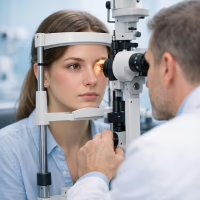
Treatment of eye diseases is prescribed by an ophthalmologist based on examination and diagnostic results. Depending on the severity and cause of the disease, an effective treatment method is selected. Self-medication is not recommended.
Diabetic Retinopathy

Diabetic Retinopathy

Diabetic retinopathy is a vascular eye disease that affects individuals with diabetes. It can lead to vision loss due to pathological changes in the retinal layers. Symptoms include overall vision deterioration, distorted shapes, hazy vision, and more. Regular eye exams are crucial for early detection. Complications of retinopathy include retinal detachment and macular edema. Treatment options range from lifestyle changes to advanced medical interventions like laser photocoagulation and vitrectomy.
READ MORE...