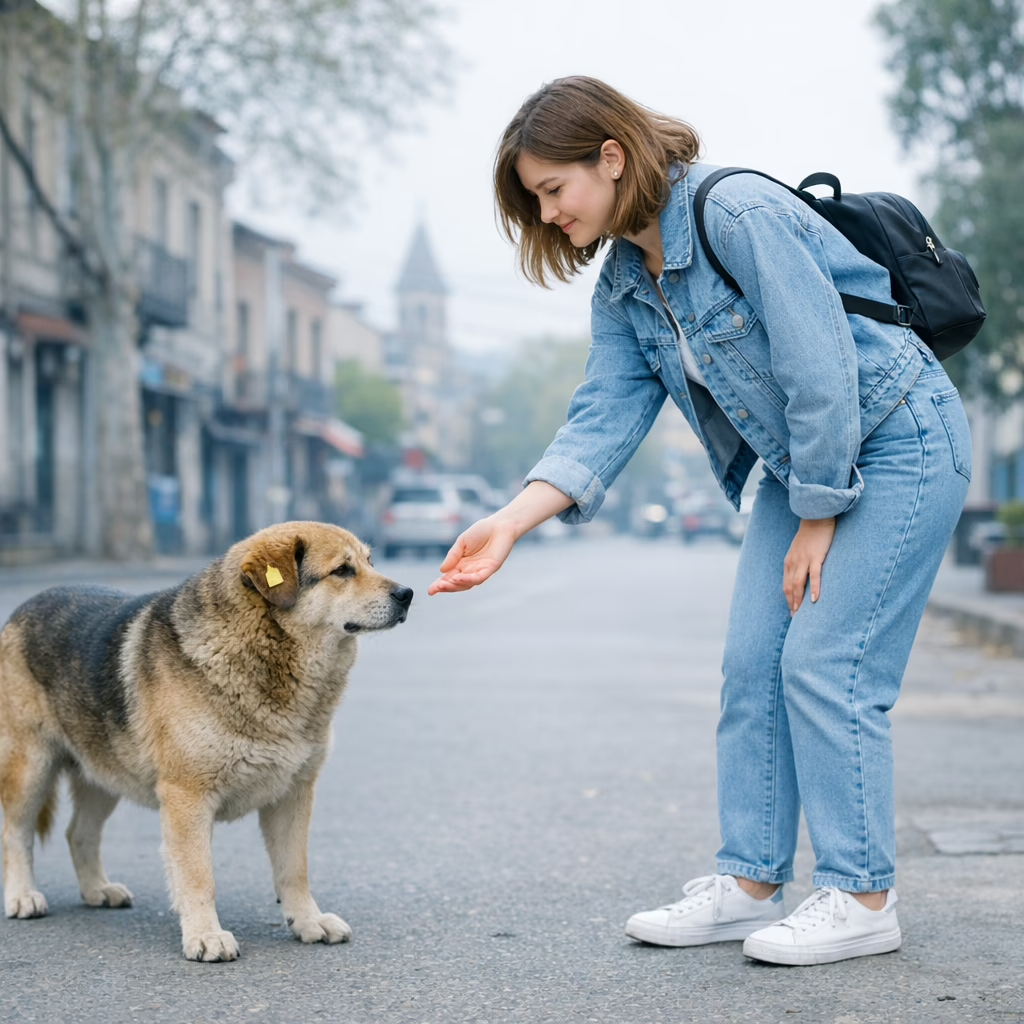
Rabies is a serious viral disease that attacks the nervous system in both humans and animals. In Georgia, the risk is especially high due to the widespread presence of stray dogs and cats, as well as frequent encounters with wild animals, particularly in rural and mountainous areas.
It’s important to realize that rabies is not a rare or exotic disease. This is a real and present danger that can happen anywhere—on the street, in your yard, at your summer house, or in rural settings.
📍 Why rabies risk remains in Georgia
Georgia is considered a high-risk country for rabies due to a combination of factors:
• high number of stray dogs and cats in cities and settlements
• proximity of wildlife to residential areas
• frequent human-animal contact in daily life
The most common potential carriers include:
stray dogs and cats, foxes, jackals, wolves in rural and mountainous regions, and other wild mammals.
Important: the presence of an animal alone does not mean danger. Risk appears only in case of a bite, scratch, or contact with saliva.
⚠️ Why is rabies dangerous
The biggest danger with rabies is its progression: once symptoms appear, the disease is almost always fatal. That’s why doctors emphasize prevention and early action over treatment.
However, there is a key point:
If a person seeks medical help immediately after exposure, rabies can be fully prevented through vaccination (post-exposure prophylaxis).
Unfortunately, many people underestimate the risk from even minor bites or scratches, which can lead to serious consequences.
🐾 How to recognize a potentially dangerous animal
Animal behavior can vary and is not always aggressive. Sometimes it may even appear unusually calm or “friendly”.
Pay attention to the animal:
• shows unexplained aggression
• has excessive salivation
• refuses food and water
• appears disoriented
• becomes unusually fearless around humans
• shows weakness or coordination problems
🧬 How infection occurs
The rabies virus is transmitted through saliva. Infection may occur if:
• There is an animal bite
• There is a scratch
• saliva enters broken skin
• saliva contacts mucous membranes (eyes, mouth, nose)
Even minor injuries should never be ignored.
🚨 What to do after a bite or contact with an animal
The most important rule — do not wait.
You should:
• immediately wash the wound with soap and water for at least 15 minutes
• apply an antiseptic
• seek medical care as soon as possible
🏥 Where to go in Georgia (clinics and doctors)
If there is suspicion of exposure, you should visit a medical facility where rabies post-exposure prophylaxis (PEP) is provided.
Common providers include:
• Aversi Clinics
• New Hospitals
Services include:
• medical examination
• risk assessment
• rabies vaccination
• rabies immunoglobulin if needed
💉 Rabies vaccination (post-exposure prophylaxis)
If there is risk, a vaccination course is administered:
• day 0
• day 3
• day 7
• day 14
• day 28
In some cases, rabies immunoglobulin is also used, especially in high-risk exposures.
Important: the vaccine is effective only before symptoms appear.
👶 Children and safety
Children are often at higher risk because they may not understand animal-related dangers.
They should be taught simple rules:
• do not approach stray animals
• do not touch unknown dogs or cats
• immediately inform adults about bites or scratches
💉 Children Vaccination IN GEORGIA
🏥 Free vaccination of pets in Georgia
In Georgia, rabies vaccination for pets is often provided free of charge through state programs organized by the National Food Agency.
Typically:
• Seasonal campaigns (autumn and World Rabies Day)
• Mobile veterinary units
• Public parks and urban spaces
How it works:
• Follow announcements from authorities and local media
• Bring your pet to the designated location
• Bring a veterinary passport if available
Important: Rabies vaccination for animals is generally free, but additional services may incur a fee.
💰 Cost of vaccination and PEP in Georgia
In Georgia, rabies post-exposure vaccination for humans in emergency cases is covered by the universal healthcare system and is free of charge.
In veterinary practice:
• pet rabies vaccination costs approximately 25–40 GEL
• vaccine (e.g., Rabies vaccine / Rabisin) costs around 11.50 GEL
• prices may vary depending on the clinic and region
🐶 Pet prevention
Pets play an important role in rabies prevention.
Recommended:
• annual vaccination of dogs and cats
• regular veterinary check-ups
• avoiding contact with stray animals
Veterinary clinics:
• New Vet
• ZooPlanet
• other veterinary clinics in Georgia
🔍 Key takeaways and recommendations
Rabies is a deadly disease with no cure after symptoms appear, but it is 100% preventable with quick medical attention and vaccination.
If you’ve had any contact with a potentially rabid animal, don’t wait or try to observe the animal—seek medical help immediately.
FAQ
Where can I get rabies vaccination in Georgia?
Common options:
• Rcheuli Medical
• Aversi Clinics
• New Hospitals
Clinics provide consultation, risk assessment, and vaccination.
Is rabies vaccination safe for children?
Children are a high-risk group, so timely vaccination is critical.
What should children be taught about animal safety?
• avoid stray animals
• do not touch unknown animals
• do not provoke animals
• report any bites or scratches immediately
Children are more likely to be exposed to animal bites.
How can I tell if an animal might have rabies?
• unusual aggression
• excessive salivation
• disorientation
• refusal to eat or drink
• abnormal friendliness
Any abnormal behavior should be treated as a potential risk.
What are the first symptoms of rabies in humans and what should I do?
• fever and weakness
• pain at the bite site
• anxiety
Later, severe neurological symptoms develop.
Before seeing a doctor:
• wash the wound for at least 15 minutes
• apply antiseptic
• seek medical care immediately
Rabies is almost always fatal after symptoms begin, but preventable with early treatment.
Living in Georgia or planning to move here?
We write about doctors, treatment prices and health insurance in Georgia — in plain language.