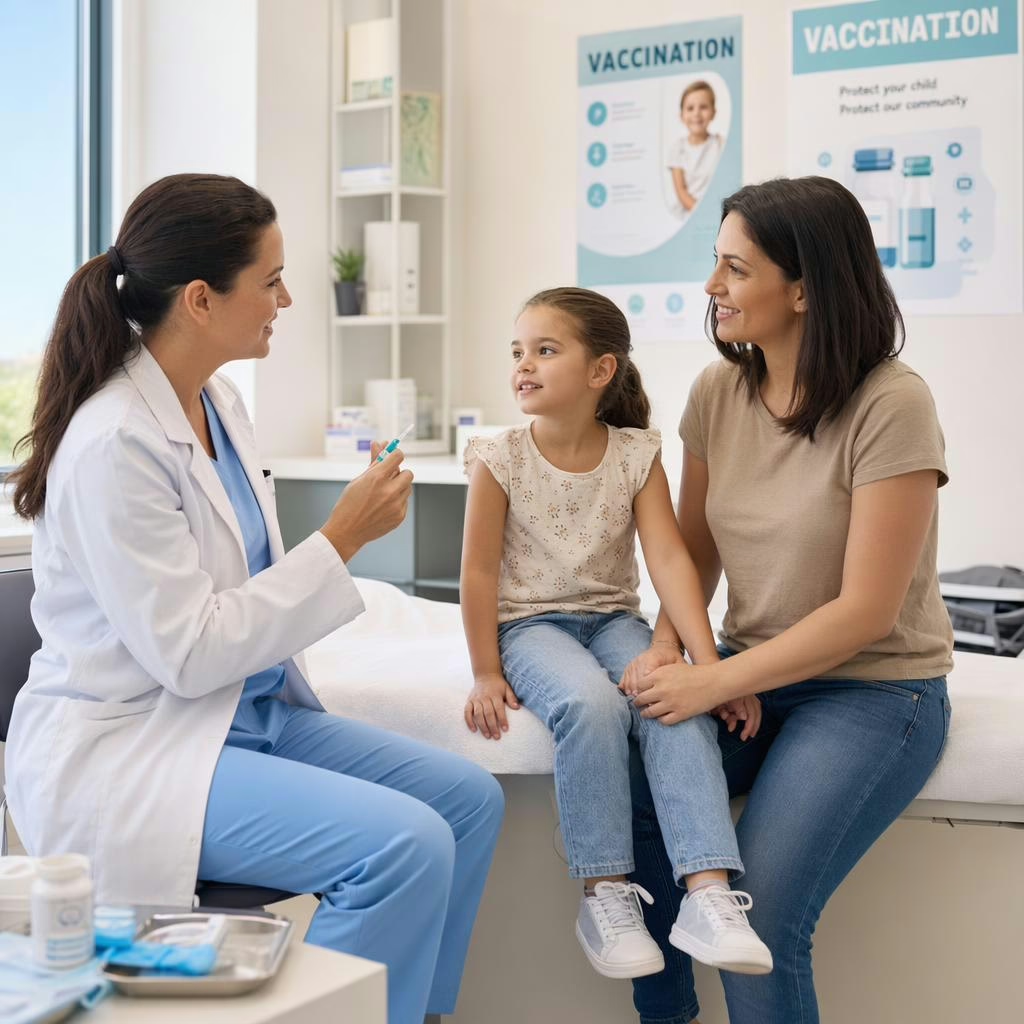
Child vaccination in Georgia in 2026 remains one of the key priorities of the national healthcare program. The country follows a National Immunization Schedule, and additional (paid) vaccines are also available in private clinics.
Georgia does not provide completely free healthcare for all population groups; however, mandatory childhood vaccines are provided free of charge by the state under the Universal Healthcare Program.
National Immunization Schedule in Georgia
The Ministry of Health of Georgia approves the mandatory vaccination schedule, which provides protection against the following diseases:
- Tuberculosis (BCG)
- Hepatitis B
- Diphtheria
- Tetanus
- Pertussis (Whooping Cough)
- Poliomyelitis
- Haemophilus influenzae type b (Hib)
- Measles
- Rubella
- Mumps
Most primary vaccinations are administered before the age of two. Booster doses are usually given before school entry.
Additional Vaccines (Not Included in the Mandatory Schedule)
Age | Disease
6–32 weeks | Rotavirus
From 2 months | Meningococcal infection
From 12 months | Varicella (Chickenpox)
From 12 months | Hepatitis A
From 9 years | HPV (Human Papillomavirus)
By epidemiological indication | Tick-borne encephalitis
How Child Vaccination Is Performed
Before vaccination:
- The pediatrician checks the vaccination record.
- Medical history is reviewed (allergies, chronic conditions, reactions to previous vaccines).
- A physical examination is performed, including temperature check and skin assessment.
- After a recent viral infection (such as ARVI), it is recommended to wait 1–2 days after full recovery.
After the vaccine is administered, it is recommended to stay at the clinic for 30 minutes for observation.
Special Considerations for Premature Infants
Premature babies receive an individual vaccination schedule after consultation with a pediatrician. If vaccinations were missed, a catch-up schedule can be developed.
Vaccination and Kindergarten
The first years of life coincide with active socialization. During kindergarten attendance, children may experience frequent viral infections, which can sometimes delay vaccinations. By school age, the frequency of infections usually decreases, and the booster vaccination stage begins.
What Parents Should Know in 2026
- Mandatory vaccines are provided free of charge by the state.
- Additional vaccines are available in private clinics.
- Foreign citizens and expats can vaccinate their children in private centers on a paid basis.
- A pediatric consultation is required before vaccination.
Children’s Vaccination Clinics in Georgia: Where to Get Vaccinated Safely and Conveniently
You can find a complete list of clinics offering children’s vaccination in Georgia below — this includes both public medical institutions and modern private centers with pediatric support. These clinics provide free vaccination according to the national immunization schedule, as well as additional vaccines (rotavirus, meningococcal, HPV, hepatitis A, and others) using certified vaccines. Most centers offer consultations with experienced pediatricians, personalized vaccination schedules, and comfortable conditions for children and parents. When choosing a clinic for vaccination in Tbilisi or other cities in Georgia, pay attention to licensing, doctor experience, patient reviews, and the ability to maintain a complete medical record for your child. This approach ensures safe and timely vaccination according to modern medical standards.
- Rcheuli medical
- Aversi
- Cito Medical Center
- Silk Medical
FAQ
Can an expat vaccinate their child in Georgia?
Are childhood vaccines free in Georgia?
For expats — usually paid (in private clinics).
Are foreign vaccination certificates recognized?
Are vaccinations required for kindergarten or school enrollment?
Can vaccination be postponed if a child is sick?
Which additional vaccines are most commonly chosen?
Are vaccines in Georgia safe?
Living in Georgia or planning to move here?
We write about doctors, treatment prices and health insurance in Georgia — in plain language.